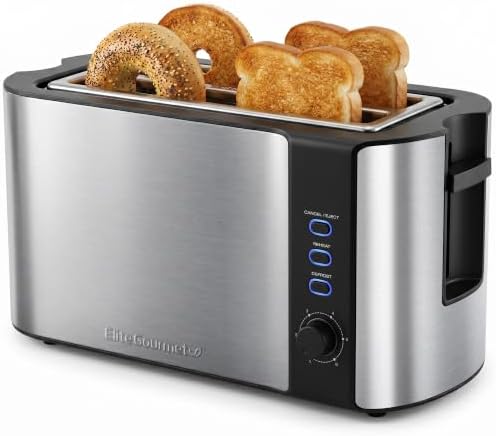

Even, golden toast from extra-wide slots — cool-touch 2-slice, 4-slice and long-slot models.
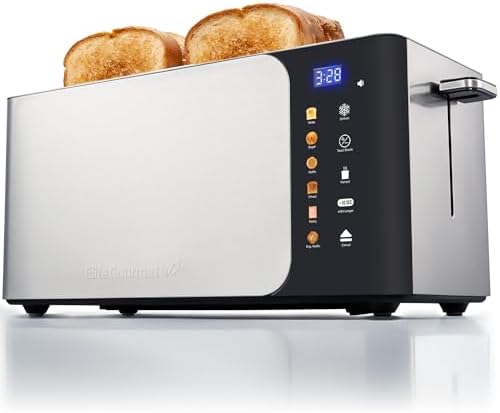
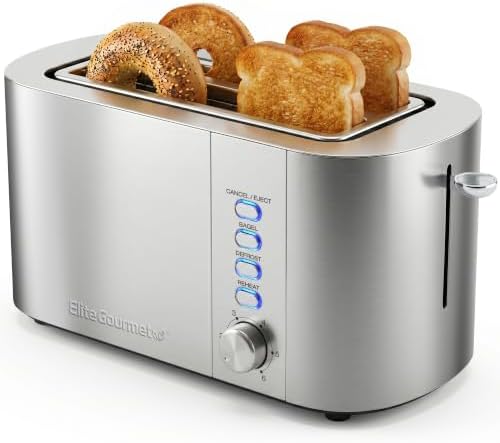
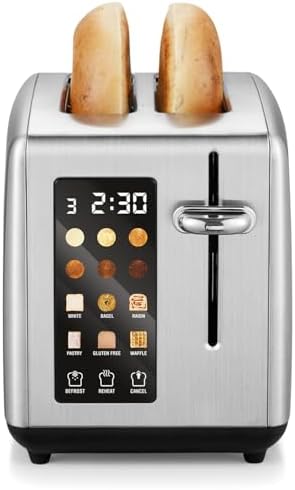
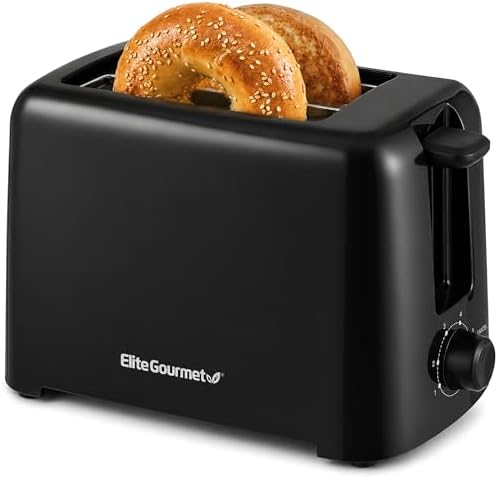
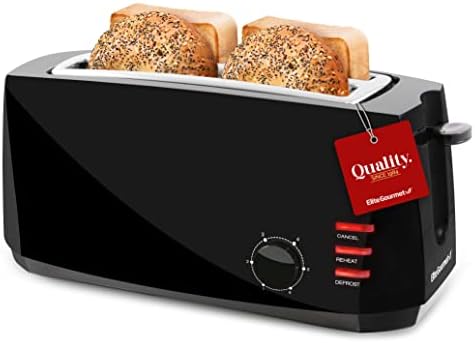
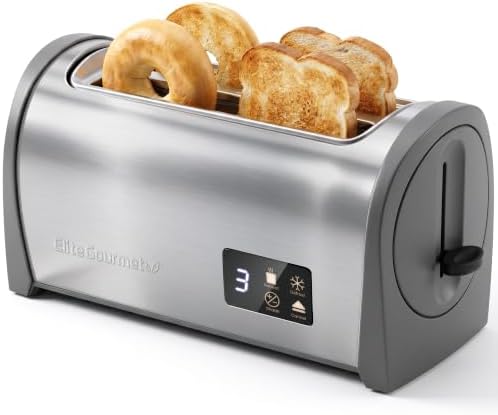
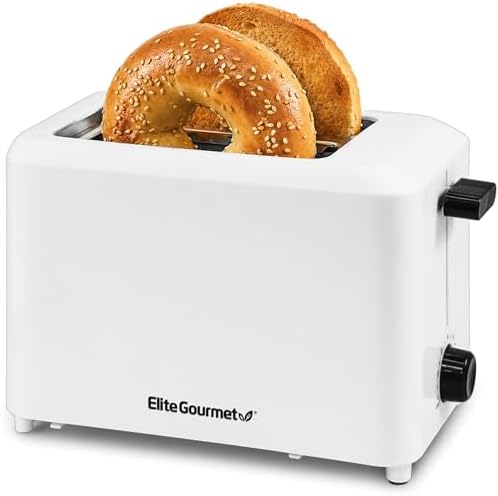
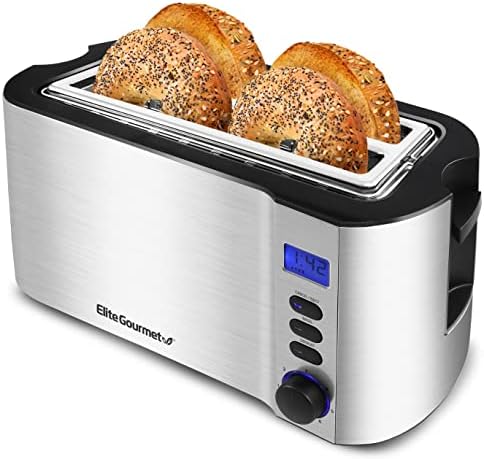
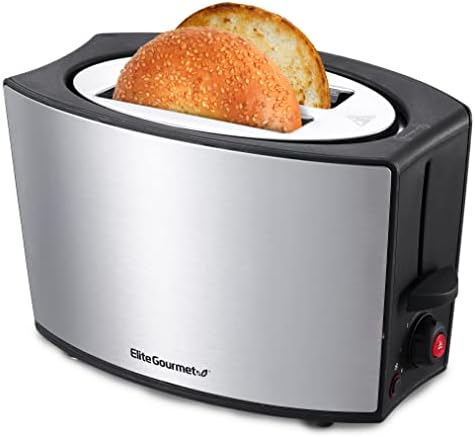
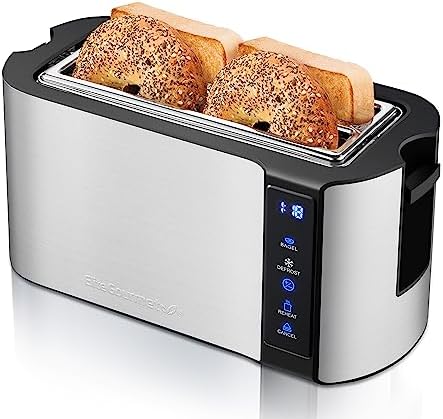
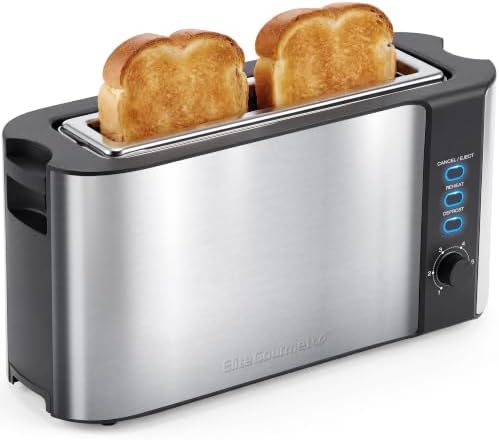
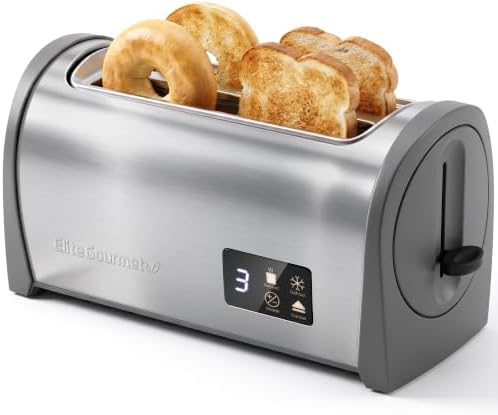
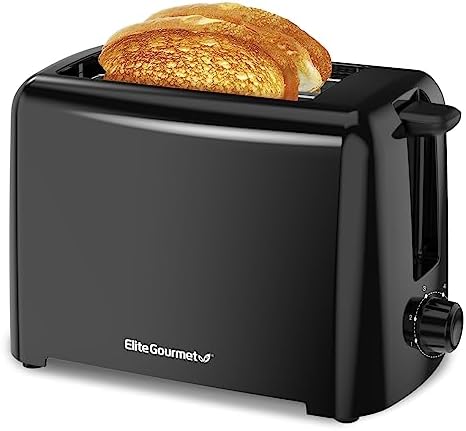
Elite Gourmet builds toasters around one idea: wide slots and simple controls at a price that suits a first kitchen. Across the range you will find two-slice units barely wider than a loaf, four-slice long-slot models that swallow a sourdough round whole, and a handful of motorised touchscreen versions that drop and lift the bread for you.
This guide walks through those groups and explains which model codes belong to which. Every toaster on this page has its own catalogue entry with the current listed price, the colour it ships in and the owner rating it carries.

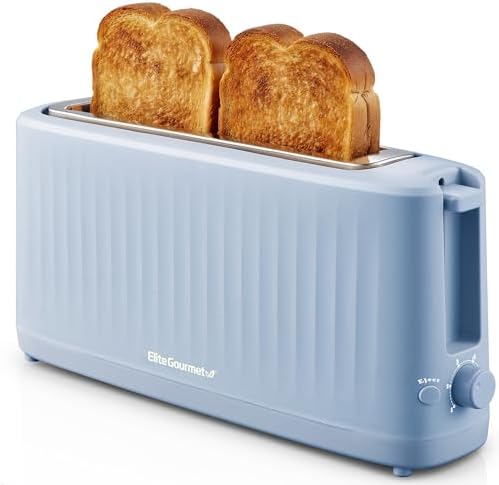
The headline feature is slot geometry. Standard toasters use slots around one inch wide, which is why a bagel half or a thick-cut slice jams. Elite Gourmet lists extra-wide slots on nearly every model, with the long-slot versions running the slot lengthways so two large slices sit end to end instead of side by side.

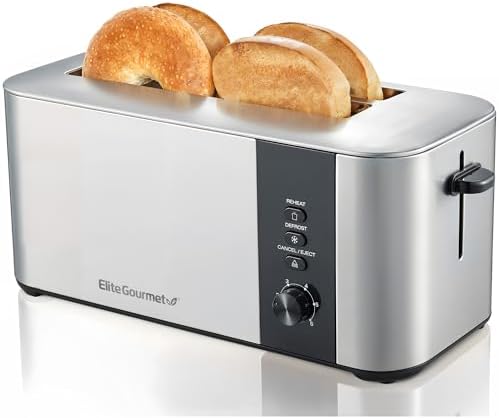
The ECT-3100 is a four-slice long-slot toaster in black with stainless accents, and it has collected more owner ratings than anything else Elite Gourmet makes in this category. It runs on a manual lever with six shade settings, plus bagel, defrost and reheat.
In practice the middle shade setting gives the most even result. Owners consistently note the same two quirks: the first batch comes out lighter than the second because the elements are still warming, and the two sides of a slice can brown slightly differently. Neither is unusual at this price point, but it is worth knowing before you compare it against a premium unit.
The housing is plastic with a cool-touch finish, the crumb tray slides out from the front, and the power cord is short — plan the counter position around the outlet rather than the other way round. For a secondary kitchen, a holiday let or a family that toasts in bulk on weekend mornings, it covers the job without fuss.

The long-slot group is where the range gets interesting, because the models differ in ways that actually change how you use them. All of them take two full-length slices per slot; the separation is in the controls and the extras.
The ECT4123X quotes its slots at 1.5 inches wide and 5.1 inches deep, the deepest in the line-up. That depth is what lets a tall sourdough round sit fully inside instead of poking out the top, and it is the reason to pick this one if you buy bread from a bakery rather than a supermarket shelf.
The ECT5924D SmartToast Digital is the power model at 1370 watts, with digital controls instead of a lever. Higher wattage means the elements reach temperature faster, which reduces the gap between a cold first batch and a hot second one.
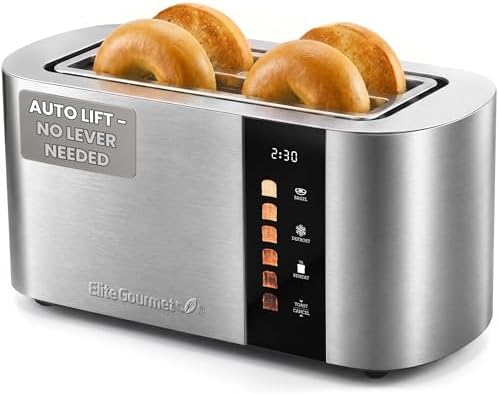
The ECT5322 and ECT4400B both add a digital countdown so you can see how long is left rather than guessing; the ECT4400B also carries a warming rack on top for buns and croissants. The ECT3401 keeps things simple with 1.5-inch extra-wide slots and six shades, no screen.
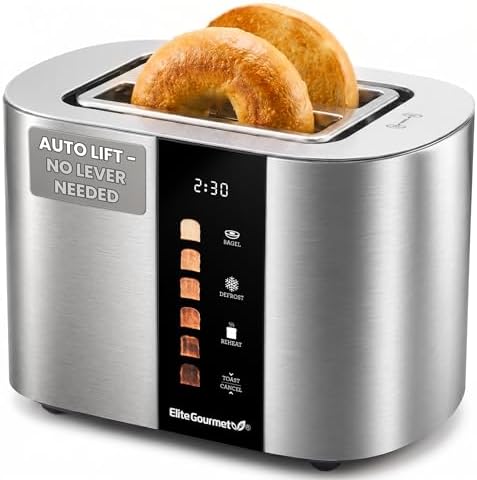
At the top of the group, the ECT5500 and the ECT4200DX are motorised: there is no lever at all. You set the shade on a touchscreen and the carriage lowers and raises the bread itself. The ECT4200D is the same touchscreen design in grey, and the ECT4829B is a straightforward six-setting long-slot unit in black.
Every model in this group uses self-centering guides, which hold a thin slice against the elements instead of letting it lean to one side. Combined with the slide-out tray, that is most of what separates these from a basic supermarket toaster.

The compact end of the range is built for one or two people, dorm rooms, campers and office kitchens. These are the cheapest appliances Elite Gourmet sells, and the trade-off is a lighter build and a shorter cord.
The ECT-1027 in white is the pick of the group: 1.5-inch extra-wide slots and seven shade settings, which is a finer gradation than most entry-level toasters offer. The ECT1027B is the black version with 1.25-inch slots and six shades. The ECT2428 matches those 1.25-inch slots in a stainless finish.
Two models go narrower still. The ECT3200 is a slim two-slice unit with a single long slot and a warming rack, designed to stand in the gap between appliances rather than take up a run of counter. The ECT2517OX SLIMTOAST does the same in ocean blue with 1.5-inch extra-wide slots.
If you want the motorised experience in a smaller footprint, the ECT2470 is a two-slice no-lever touchscreen model, and the ECT2899 pairs extra-wide slots with a digital countdown. All of the compact units still include bagel, defrost and reheat — the feature set does not thin out as the price drops.
The settings on these toasters are more than badges, and knowing which one to reach for changes the result.

Bagel concentrates heat on the cut face and runs the outer element cooler, so the inside crisps while the crust only warms through. Using the standard setting on a bagel half tends to scorch the rounded side before the cut side colours at all.
Defrost adds a thaw stage before browning starts. For frozen waffles or bread straight from the freezer, this is the difference between a crisp outside with a warm centre and a browned outside with a cold core.
Reheat warms toast that has gone cold without adding any more colour to it — useful when breakfast gets interrupted. It will not rescue toast that has gone soft, but it buys back the temperature.
Standard across the line-up:
The honest caveat: metal parts on the budget models feel thin, and shade settings are less precisely calibrated than on a premium toaster. If you toast twice a day and want identical results every time, that gap will show. If you toast a few times a week, it will not.
Matching the model to the household matters more than chasing features. A four-slice long-slot toaster is wasted on a single person who makes toast twice a week, and a compact two-slice unit will hold up a family on a school morning.
Daily enthusiasts chasing perfectly even browning should look at the higher-wattage digital models rather than the entry-level ones — the extra power is what evens out batch-to-batch variation. Households that toast occasionally will not notice the difference and can safely take the cheaper unit.

Seniors and anyone who dislikes screens are better served by a manual lever model. The motorised touchscreen versions are genuinely convenient, but they add a layer of controls to learn for a task that a lever handles in one movement.
| Household | Best fit | Why |
|---|---|---|
| One or two people | Compact two-slice | Smallest footprint, lowest price |
| Campers and RVs | Slim single-slot | Stands in a narrow gap |
| Bakery-bread buyers | Deep long-slot | Takes a tall sourdough round |
| Families on a school run | Four-slice long-slot | Four slices in one cycle |
| Daily, fussy about colour | High-wattage digital | Evener results batch to batch |
Start with slot format, not price. Decide whether you need two slices or four, and whether your bread is supermarket-sliced or bakery-shaped — that single answer removes most of the line-up. Only then compare controls, because a lever and a touchscreen make the same toast.
From there, the toaster category page lists every model side by side with its current listed price, colour and owner rating, so you can see where the extra money goes. Each entry links through to the full specification.
Worth checking before you commit: measure the cord reach from your outlet, and measure the counter depth under any wall cabinet if you are looking at a tall four-slice unit. Those two numbers cause more returns than any feature on the box.
If even browning across every single slice is your priority above all else, premium brands do it better and charge accordingly. Elite Gourmet's position is wide slots, the full set of functions and a cool-touch body at the budget end — and for most kitchens that is the right trade.