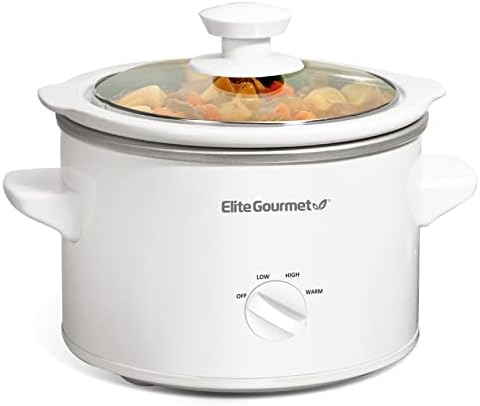

Set-and-forget stews, roasts and one-pot dinners that stay warm until you are ready.
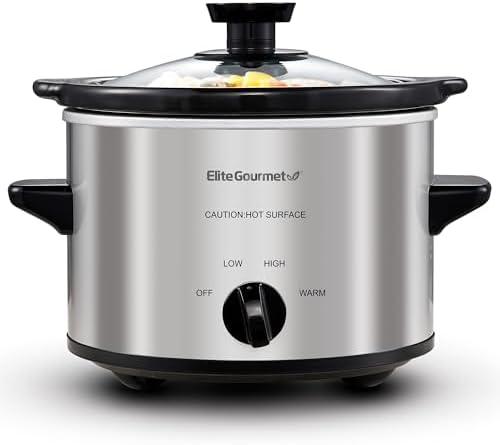
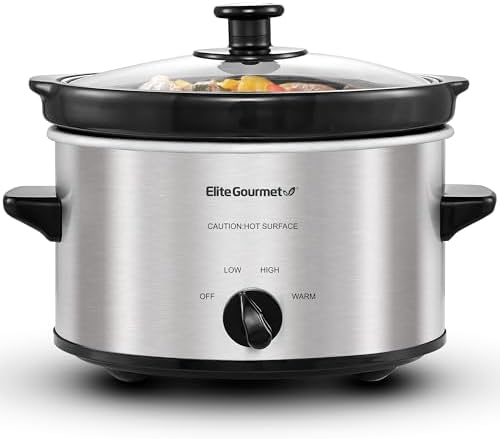
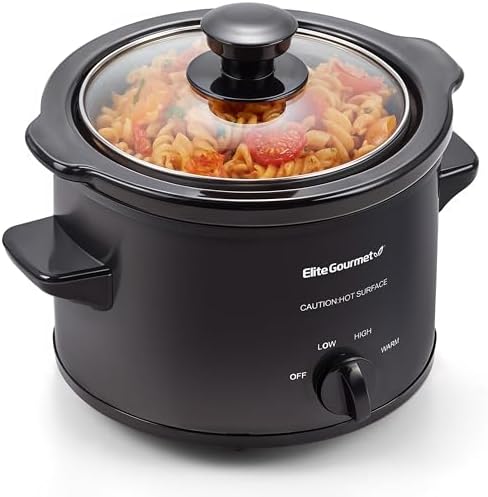
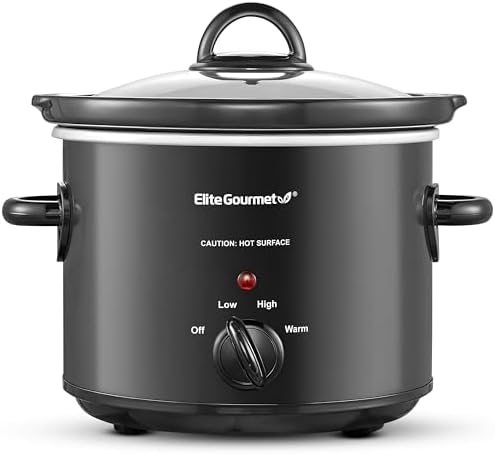
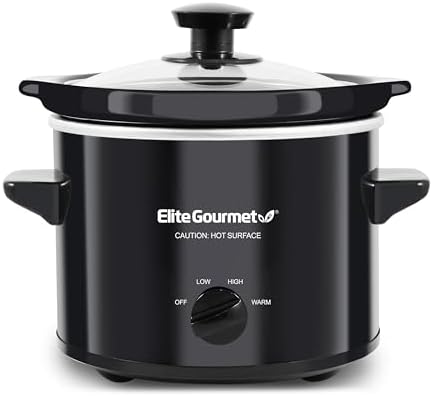
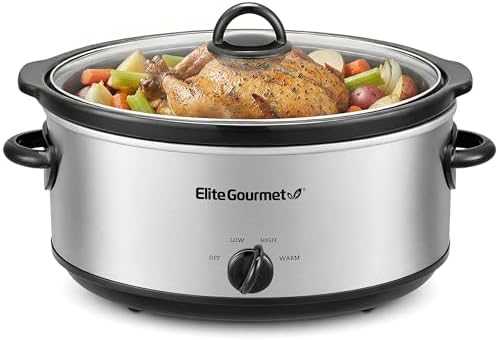
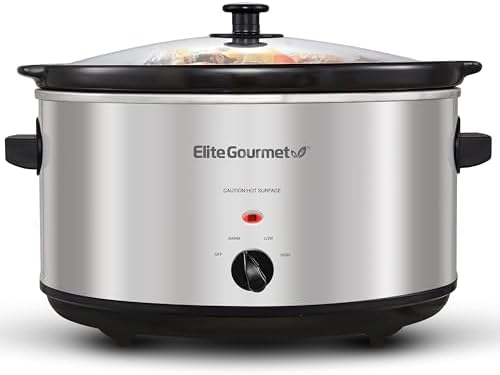
Elite Gourmet's slow cookers cover an unusually wide span of sizes — from a 1.5-quart pot that makes a dip to an 8.5-quart crock that handles a shoulder of pork. Most of the range carries the MST model prefix, and the number in the code is a reasonable guide to where a model sits.
This guide groups the line-up by capacity, explains the difference between the dial and programmable versions, and covers what slow cooking actually needs from the appliance.
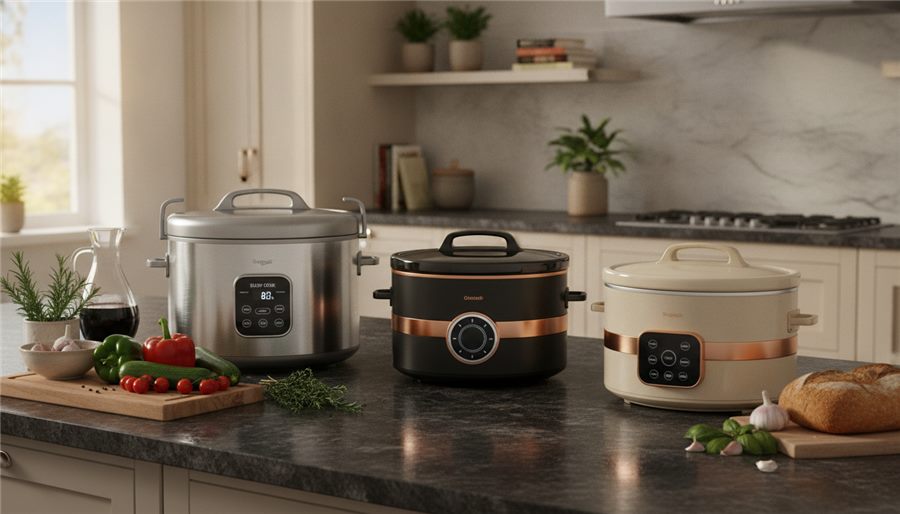
A slow cooker is the least complicated appliance in a kitchen and the hardest one to replace. It holds food between about 190 and 210 degrees Fahrenheit for hours, which is the window where tough connective tissue in cheap cuts breaks down into gelatin. No oven or hob setting does that unattended for eight hours.
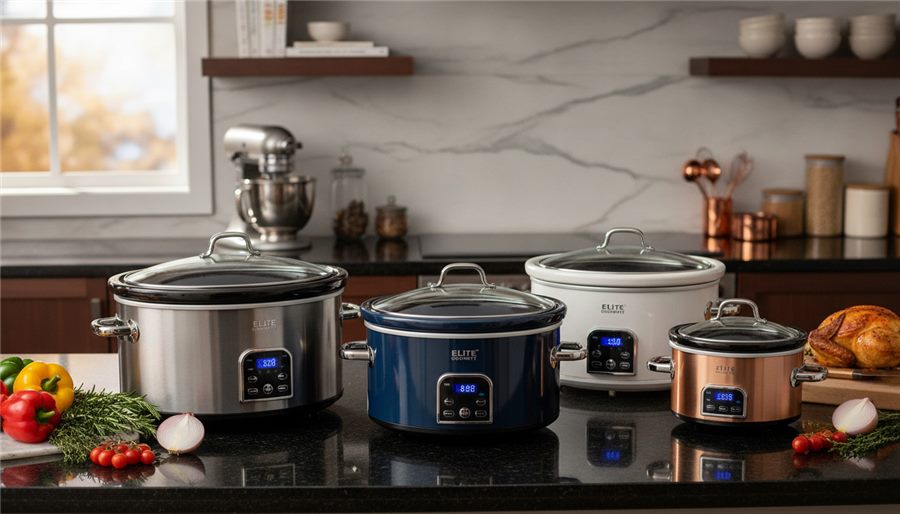
The compact end of the range exists for a specific job and does it better than any large cooker can: dips, sauces, a single portion, or keeping something warm on a buffet table. A large crock with a small amount of food in it scorches at the edges, which is why these sizes are not just a cheaper option.
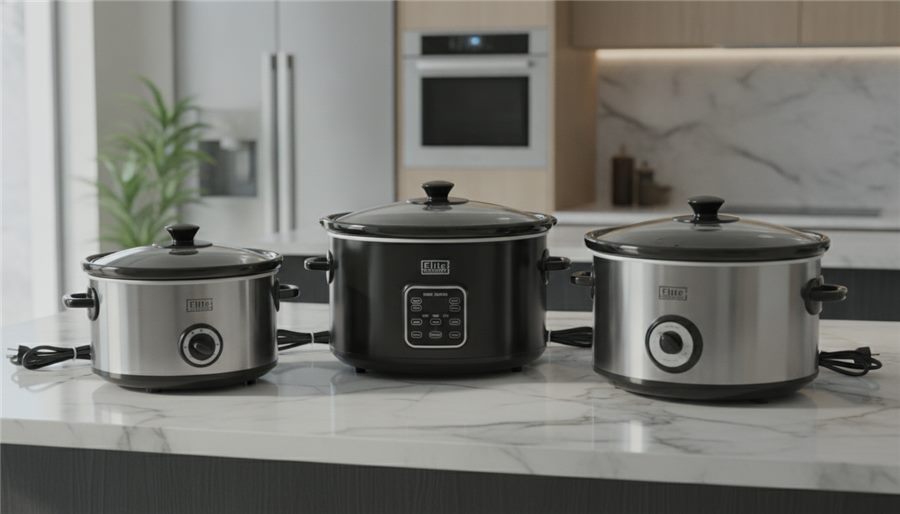
The MST-250XW, MST-250XS and MST-250XBX are all 1.5-quart electric ceramic cookers, in white, stainless and black respectively. The specification is identical across the three; the finish is the choice.
At 2 quarts there are two shapes. The MST-275XS is oval in stainless, and the MST239X is round in black. Shape matters more than it sounds: an oval crock takes a small joint or a couple of chicken thighs lying flat, where a round one of the same volume does not.
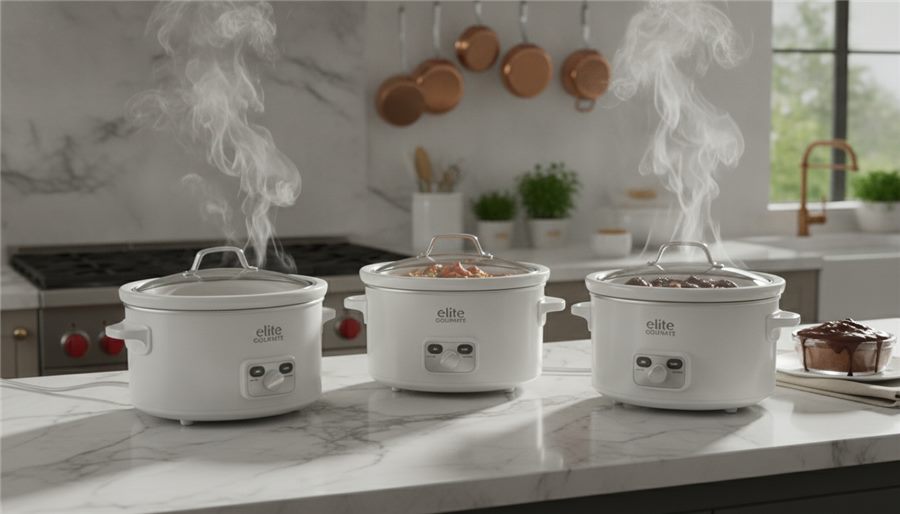
The MST-350B is a 3-quart cooker in black with an adjustable temperature setting and a dishwasher-safe glass lid and crock. Three quarts is the size for two to three people — a stew, a pot of chilli, a small casserole — and it is the model that fits a kitchen where an 8.5-quart crock would be absurd.
The MST710 jumps to 7 quarts in stainless, with a dishwasher-safe pot. That is full family territory: a whole chicken fits, as does a batch of pulled pork or enough soup for a week. Seven quarts is also heavy when full, which is worth knowing before you plan to lift it to the sink.
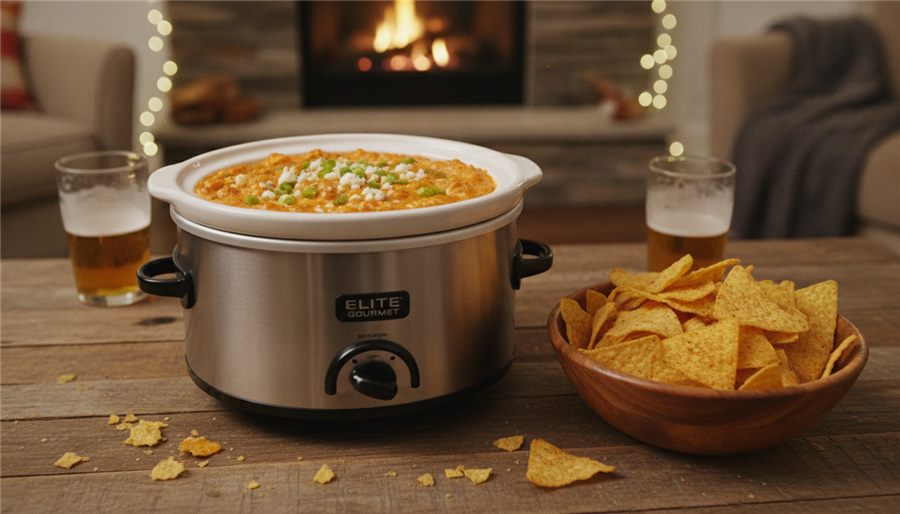
The removable crock is the feature that makes the large sizes practical. It goes from the cooker to the table to the fridge to the dishwasher without the food being transferred, and that is a real difference in how often a big cooker actually gets used.
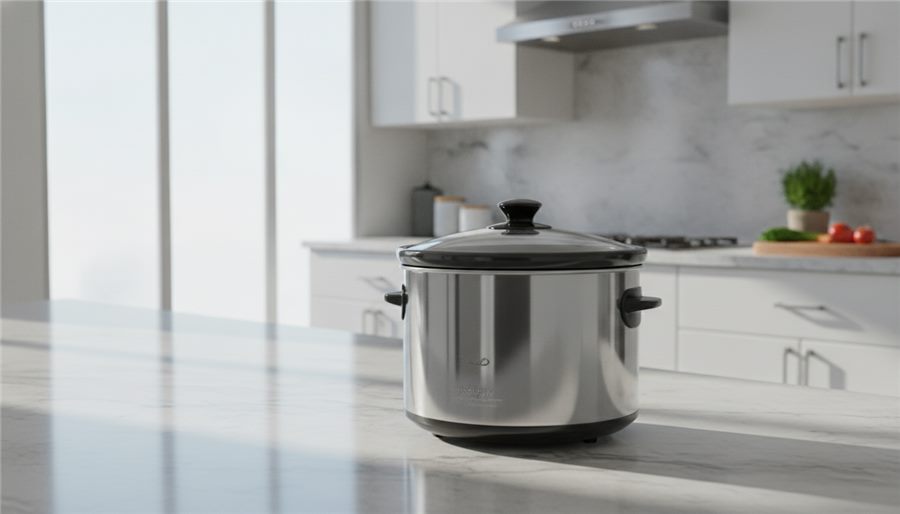
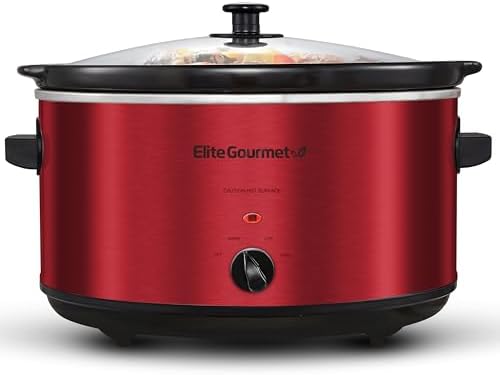
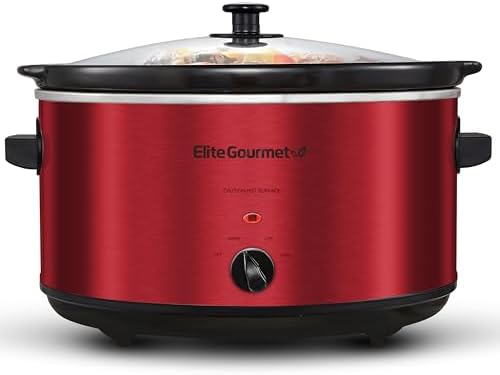
At the top of the range sit four 8.5-quart models that differ mainly in finish and control type. The MST-900RR is red, the MST-900RXT metallic red, and the MST-900V stainless with a temperature control.
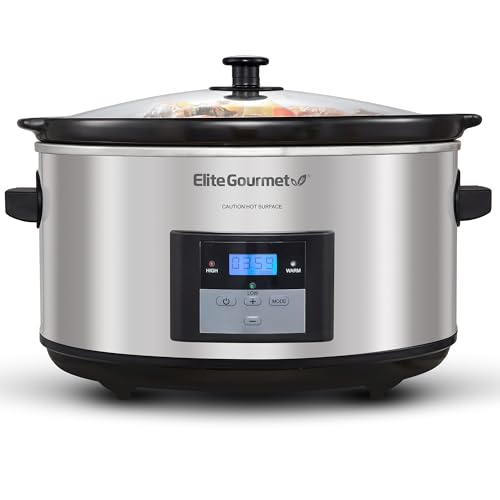
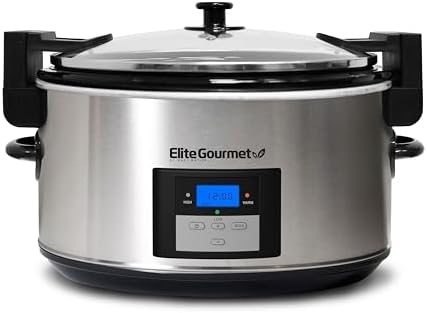
The MST-900D is the digital version in stainless and black, and the MST-900VXD is the Elite Platinum programmable model in stainless. Those two are the ones to look at if you want a timer rather than a dial.
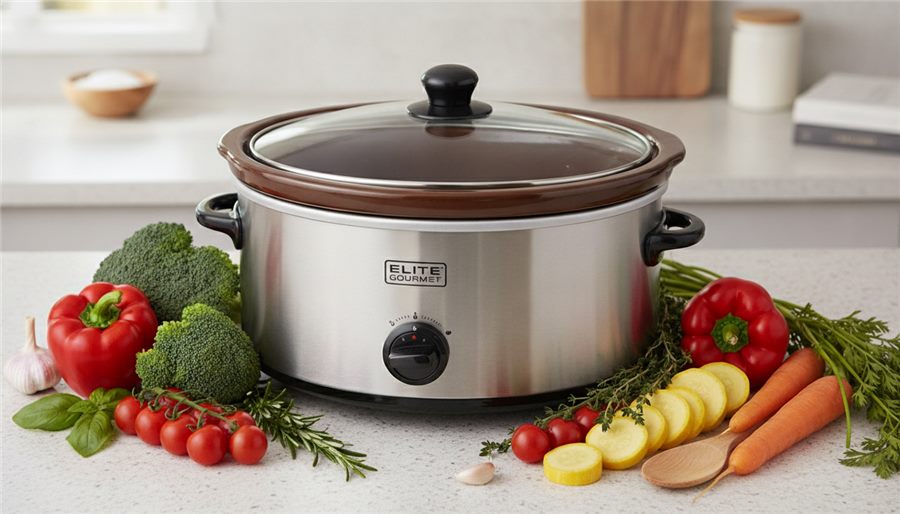
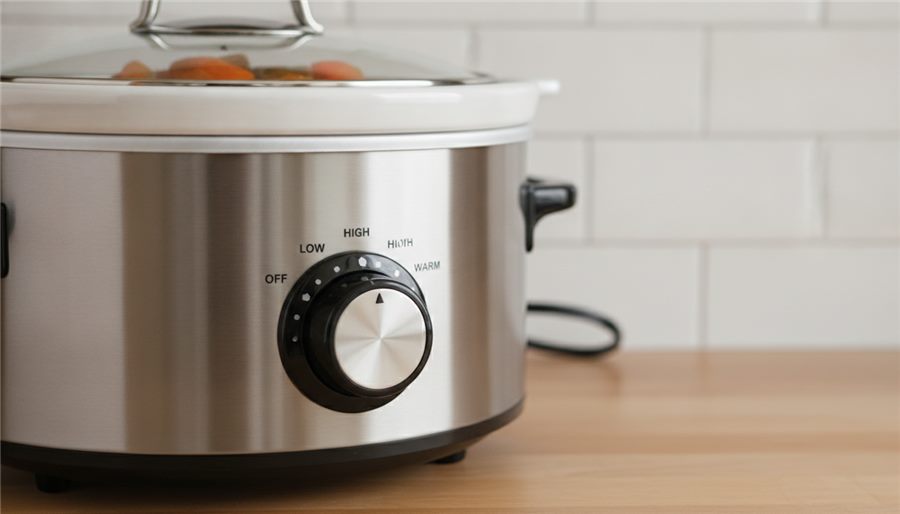
The dial versus programmable question is genuinely worth thinking about rather than defaulting to the more expensive option. A dial cooker runs until you turn it off. A programmable one counts down a set time and then drops to keep-warm by itself.
If you are home when the food finishes, a dial is simpler and has less to fail. If you leave for nine hours and the recipe takes seven, the programmable model is the one that does not overcook it. That is the whole difference.
Slow cookers reward the cuts that other methods punish. Shoulder, shin, brisket, chuck and oxtail are full of collagen, and collagen needs hours of moist heat to convert to gelatin. That conversion is what gives slow-cooked meat its texture and what thickens the liquid around it.
The corollary is that lean cuts do badly. A chicken breast or a fillet steak has no collagen to convert, so eight hours in a slow cooker simply dries it out. This is the single most common disappointment with the appliance and it is a choice-of-ingredient problem, not a fault.
Brown the meat first in a pan. A slow cooker never gets hot enough to brown anything, and browning is where a large part of the savoury flavour comes from. Skipping it produces food that tastes flat in a way that is hard to place.
Use less liquid than instinct suggests. Nothing evaporates under a sealed lid, and the vegetables and meat release water as they cook. A recipe written for a hob needs its liquid cut substantially for a slow cooker, or you end up with soup.
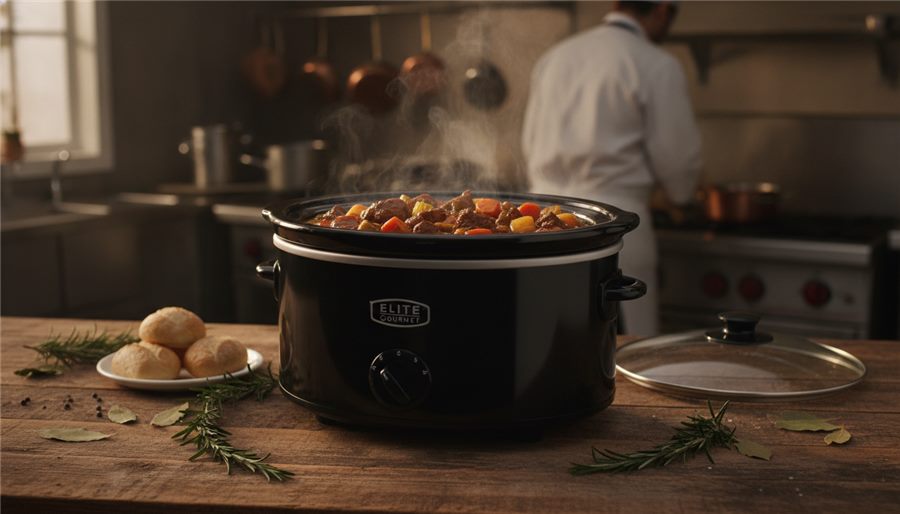
Root vegetables take longer than meat, which is counterintuitive. Carrots, potatoes and swede go in the bottom where the heat is most direct; the meat sits on top. Reverse that and you get shredded meat alongside hard carrots.
Keep the lid on. Each lift releases the accumulated steam and drops the internal temperature noticeably, and the cooker takes a long time to recover. The glass lid exists precisely so you do not need to.
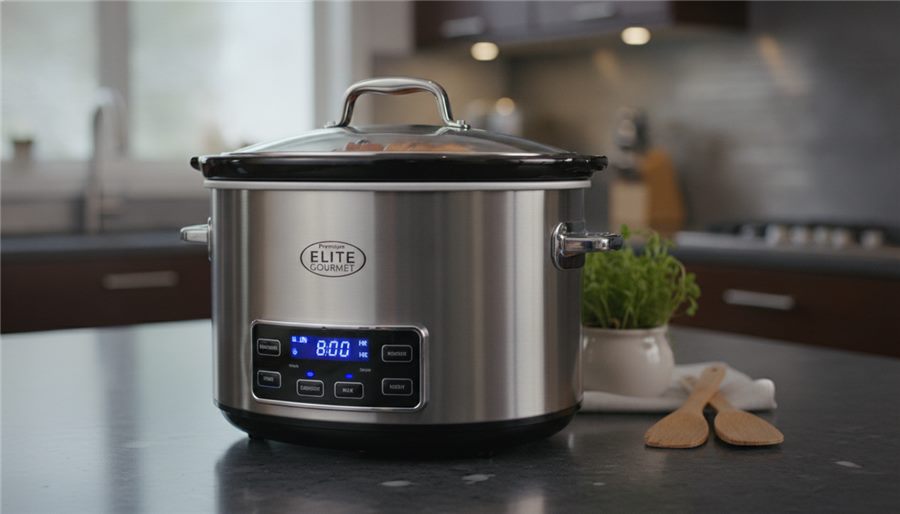
Some ingredients go in at the end rather than the start. Cream, milk and yoghurt split over long cooking. Fresh herbs lose their aroma entirely. Pasta and rice turn to paste. All of those belong in the last half hour.
| Setting | Rough timing | Best for |
|---|---|---|
| Low | Seven to nine hours | Tough cuts, overnight and full-workday cooking |
| High | Three to five hours | Afternoon starts, vegetable dishes, pulses |
| Keep warm | Holding only | Buffet serving, waiting on late arrivals |
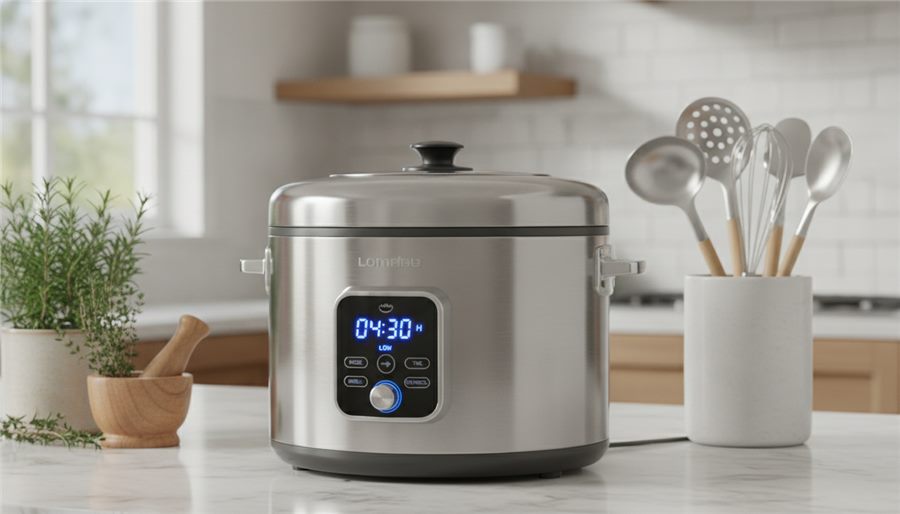
Stoneware cracks from thermal shock, and that is the one failure mode worth guarding against. A hot crock taken straight to a cold sink, or a cold crock from the fridge put into a preheated base, can crack. Let it come to room temperature in both directions.
The crock and lid on most of these models are dishwasher safe. The base housing is wiped only — it contains the element and the thermostat and must never be submerged.
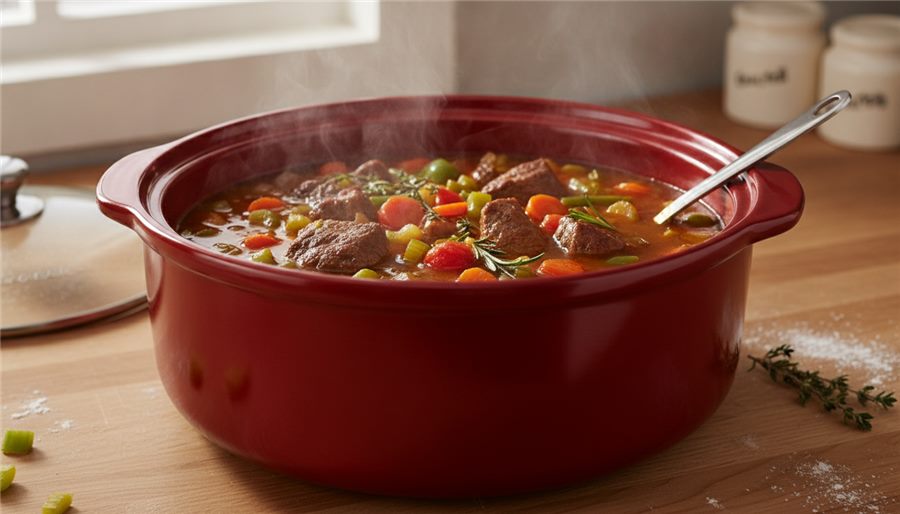
For anything baked on, fill the crock with warm water and a little detergent and leave it for an hour. Stoneware releases almost everything given time, and scouring the glaze is what eventually makes a crock stick.
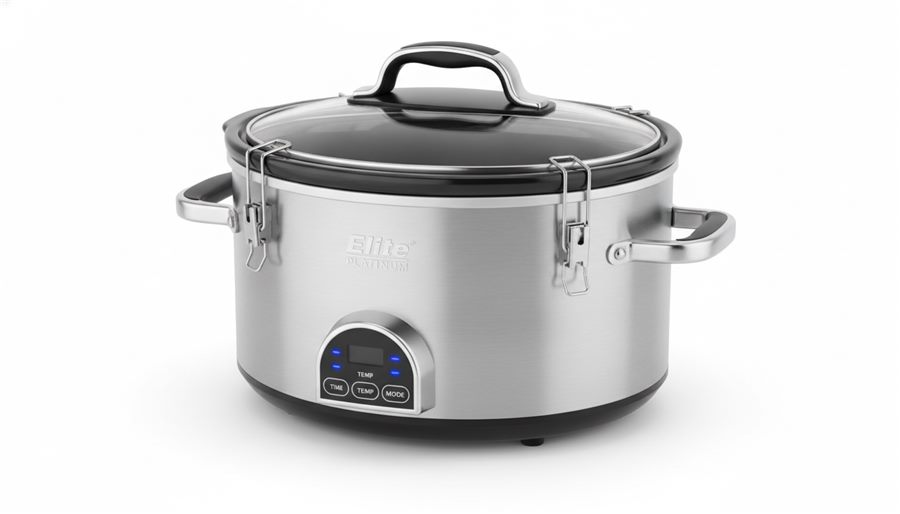
Size is the decision that matters and the one people most often get wrong, usually by buying too big. A slow cooker works properly when it is between half and three-quarters full. Under-filled, the food at the edges scorches; over-filled, it will not come up to temperature safely.
For one or two people, 1.5 to 3 quarts. For a family of four, 3 to 7. For batch cooking, entertaining or a joint of meat, the 8.5-quart models. If your cooking splits between dips at Christmas and stews in winter, two small cookers are often more useful than one large one.
The slow cooker category page lists every model with its capacity, shape, control type, colour, current listed price and owner rating. Each entry links to the full specification.
One last practical point: check the shape against what you cook. An oval crock takes a joint or a whole bird lying flat; a round one of the same stated volume will not. That is the difference people notice after buying, not before.